

Upgrading of testing machines
Do you have a testing machine that is starting to give problems or has fallen behind technologically? Don't worry, you don't need to replace it with a new one. With a good upgrade, you can extend its service life, improve its accuracy and adapt it to new standards without the need for large investments.
Why upgrade instead of buying?
Over time, many testing machines continue to function mechanically, but their electronics, software or sensors are no longer supported or fall short. The result? Unexpected crashes, data errors or inability to meet new standards.
Upgrading is a cheaper and faster alternative to buying new. Enables:
- Avoiding obsolescenceYou upgrade electronics, obsolete components or software, eliminating bugs and gaining compatibility.
- Improve performanceYou reduce test times, integrate new methods or automate processes.
- Ensuring regulatory complianceYou adapt the machine to current standards (such as ISO 7500-1), crucial in accredited laboratories.
- To be more sustainableYou reuse the original structure, reducing waste and costs.
What can be upgraded on a testing machine?
The upgrade can be partial or complete. The most common is to renew these elements:
1. Electronics and controllers
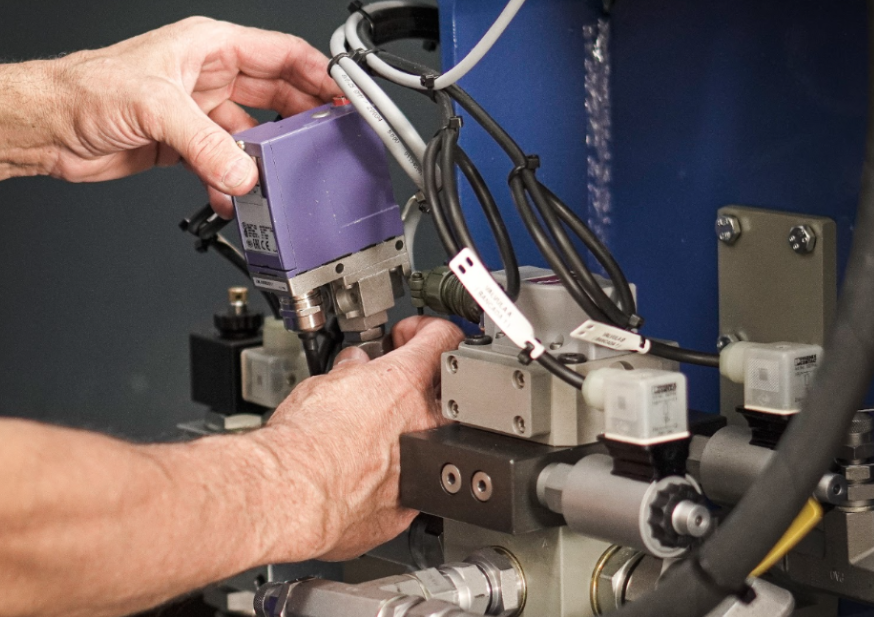
Older boards are replaced by digital control systems that are faster, safer and compatible with modern software.
2. Sensors
Load cells, strain gauges or displacement sensors are replaced or recalibrated to maintain accuracy.
3. Software
A new test control system compatible with current Windows is installed, with preconfigured standards and advanced functionalities such as automatic reporting or remote access.
4. PC and connectivity
If the team works with an old computer, it is also exchanged for a current one, with more power, storage and network or cloud connection.
5. Maintenance and safety
The machine is checked for compliance with current safety regulations (e.g. CE marking), and left ready for predictive maintenance.
What should you prioritize in a repair or upgrade?
- Minimize downtimeGood planning and availability of parts is key.
- Ensuring accuracy: everything must be calibrated after the update.
- Apply predictive maintenancewith sensors and periodic checks to avoid surprises.
- Training and supportThe key is to make sure your technical team knows how to use what's new and has someone to turn to in case of doubt.
And what does Servosis offer?
At Servosis we have been designing, manufacturing and modernizing testing machines for decades. If your equipment needs an overhaul, we can help you:
- Diagnose the condition of your machine and offer the best solution.
- Replace electronics, software, sensors or motors with current technology.
- Calibrate and certify the machine to comply with current standards.
- Assist you with agile technical support and customized maintenance contracts.
We use original spare parts, work quickly, and leave your machine ready to continue testing for many years to come.
FAQS: Frequently Asked Questions
- Is it worth upgrading an old machine?
Yes. If the structure is good, you can retrofit it for much less than buying a new one. - Is it possible to upgrade a machine from another manufacturer?
Yes, as long as it is in good condition. Servosis, for example, upgrades third-party equipment. - What guarantees are there after the upgrade?
Servosis offers warranty on components and can issue calibration certificates. - How long does the whole process take?
It depends on the intervention, but it is usually completed within a few weeks if parts are in stock.