




The Young's modulus It is a parameter that characterizes the behavior of an elastic material based on the direction in which a force is applied. It is one of the most widely used methods to determine the elasticity of a material.
For a material. linear elastic e isótropo, Young's modulus has the same value for a traction as for a compresiónbeing a constant independent of the stress as long as it does not exceed a maximum value called límite elásticoand is always greater than zero: if a bar is pulled, it increases in length.
Both Young's modulus and the yield strength vary for different materials. The modulus of elasticity is a elastic constant which, like the yield strength, can be empirically determined through tensile test of the material. In addition to this longitudinal modulus of elasticity, the following can be defined transverse modulus of elasticity of a material (Shear modulus).
Who does Young's modulus refer to?
To understand the operation of the Tensile tests and make the most of the possibilities of the universal machinewe must know each and every method to use in order to achieve our objectives in an optimal way. In this case, Young's modulus refers to the scientist Thomas Young., who studied this concept during the 19th century. However, the method was developed in 1727 by Leonhard Euler and its current form was not put into practice until 1782, when Giordani Riccati conducted the first experiments.
Young's modulus, also called longitudinal elasticity, is a parameter that reveals the behavior of an elastic material depending on the type of force applied to it and the consequent increase or decrease in the length of the material.. Therefore, what it seeks is to obtain the relationship between the stress applied to the object along its longitudinal axis and the deformation measured along the same axis. Thus, it measures its elastic behavior and also predicts the stretching of a given material.
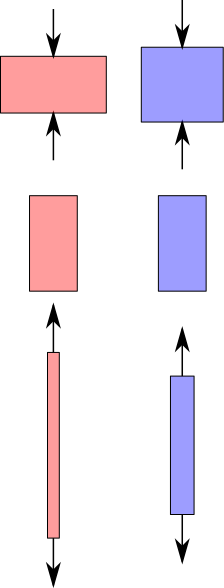
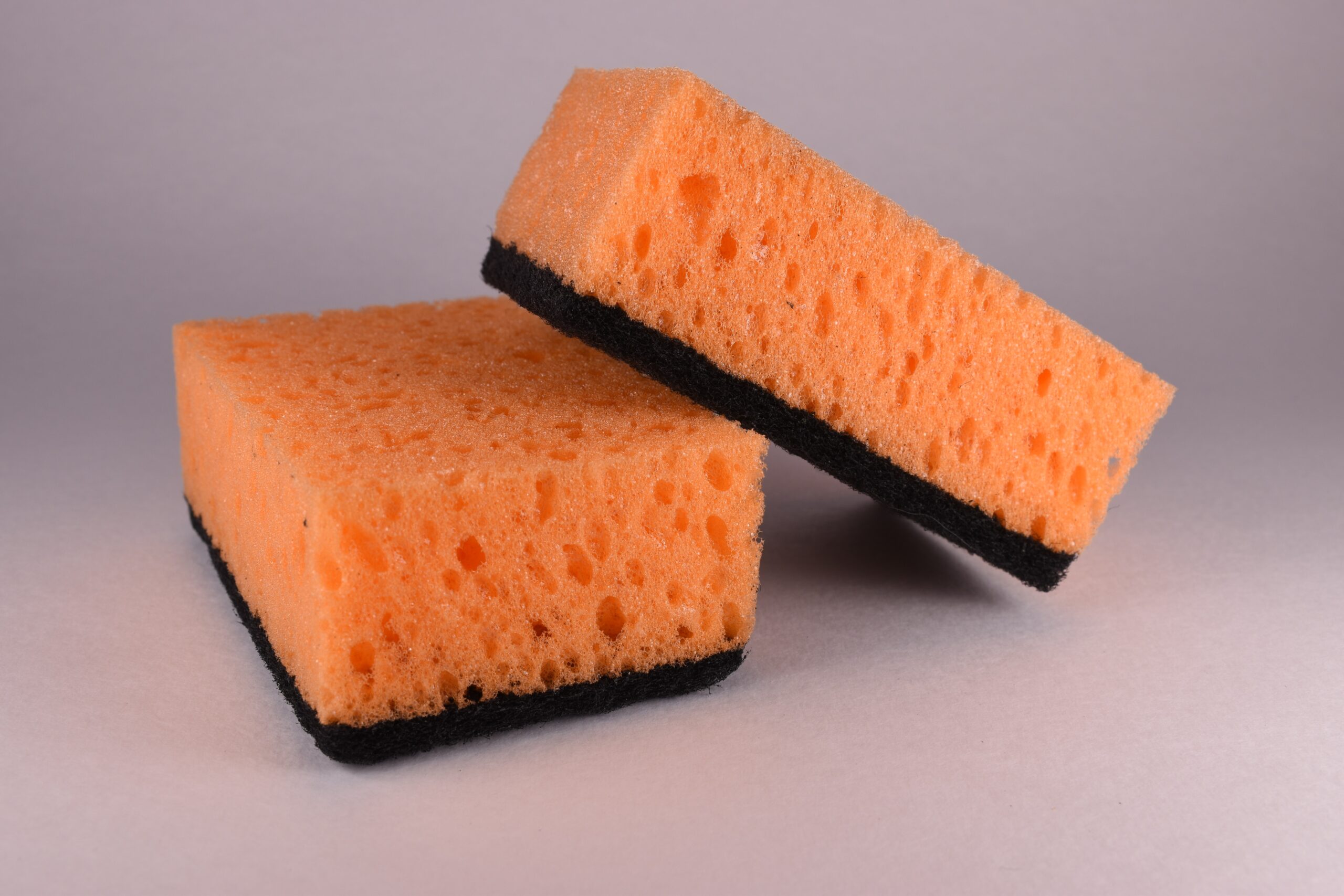
For example, if we apply the same stress to a shower sponge and a baseball bat, we will see that the elastic deformation is much smaller in the bat than in the sponge. This means that Young's modulus will be higher in the bat than in the rubber, and it will be necessary to apply more stress to it for it to undergo the same deformation.

Fórmula
The way to calculate Young's modulus is:
E = σ/ϵ
Where:
- E = Young's modulus, in pascal.
- σ = uniaxial stress or uniaxial force per unit area, in pascal.
- ε = deformation or proportional deformation (this means the change in length divided by the original length).
Applications
The Young's modulus it is applicable for various functions, such as in construction when a rock serves as support for other structures (the foundations), to compare the results between different materials, or to measure the stiffness of a solid material.
, such as in construction when a rock serves as the foundation for other structures (the foundations), to compare results between different materials, or to measure the stiffness of a solid material. In short, Young's modulus is vital when determining the resistance of a material or object to tensile stress. If you want to learn more about this or other similar topics, feel free to take a look at blog de ServosisAdditionally, in our store you will find the machinery that best suits your needs and those of your team.
For any questions or suggestions, Contact us!
Advance with us!

